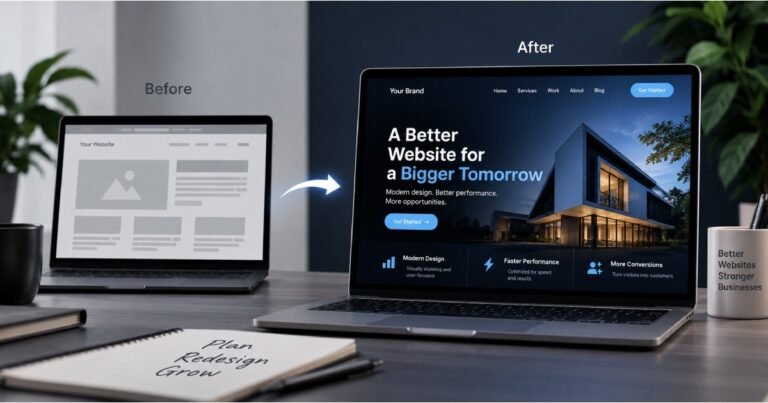


In today’s digital world, your website is often the first impression customers have of your business. Before someone calls your office, visits your store, or sends an enquiry, they’ve usually visited your website to learn more about who you are and what you offer. That’s why having a professionally developed website is no longer a luxury—it’s a business necessity.
Yet many business owners still ask the same question: What exactly is website development?
Some assume it’s simply writing code, while others think it’s just designing attractive web pages. In reality, website development is a combination of planning, design, programming, performance optimisation, security, and ongoing maintenance. Every element works together to create a website that not only looks professional but also helps your business generate leads, build trust, and support long-term growth.
Whether you’re launching your first website, redesigning an outdated one, or comparing development options, understanding the fundamentals of website development will help you make informed decisions and invest in a solution that delivers lasting value.
In this guide, we’ll explain what website development is, how it works, the different types of development, and why choosing the right approach can have a significant impact on your business.
What Is Website Development?
Website development is the process of building, launching, and maintaining a website. It involves everything required to turn an idea into a fully functional website, from planning the structure and designing the user interface to writing code, integrating features, testing performance, and keeping the website secure after launch.
Unlike website design, which focuses on visual appearance, website development focuses on functionality. It ensures every page loads correctly, forms work as expected, buttons perform their intended actions, and the website delivers a seamless experience across desktops, tablets, and mobile devices.
Modern website development also considers factors such as speed, accessibility, search engine optimisation (SEO), security, and scalability. A well-developed website should not only meet your current business needs but also be flexible enough to grow alongside your business.
At its core, website development is about creating a reliable digital platform that helps businesses connect with customers, promote their services, and achieve measurable results.
Why Website Development Is Important
Your website works around the clock, representing your business even when your office is closed. It’s often the first place potential customers go to evaluate your credibility, compare your services, and decide whether to contact you or a competitor.
A professionally developed website helps your business:
- Build trust with potential customers
- Improve visibility on search engines
- Generate enquiries and leads
- Showcase your products or services effectively
- Deliver a better user experience across all devices
- Support marketing campaigns and advertising
- Strengthen your brand identity
More importantly, a good website isn’t just about attracting visitors—it’s about converting those visitors into customers. Fast loading speeds, intuitive navigation, clear calls to action, and responsive design all contribute to a better user experience and higher conversion rates.
Businesses that treat their website as a strategic asset often see stronger long-term results than those that view it as a one-time project.
Website Development vs Website Design
Although these terms are frequently used together, website design and website development serve different purposes.
Website design focuses on how a website looks and feels. Designers create the visual layout, choose colours and typography, establish the brand identity, and ensure the user journey is intuitive and engaging.
Website development, on the other hand, transforms those designs into a working website. Developers write the code, integrate content management systems, connect third-party tools, optimise performance, and ensure every feature functions correctly.
Think of it like building a house. The architect creates the blueprint, but the builders bring that blueprint to life. Both are essential, but they involve different skills and responsibilities.
A successful website combines thoughtful design with solid development, creating an experience that is both visually appealing and technically reliable.
Types of Website Development
Not every website is built the same way. A simple five-page business website has very different requirements from an eCommerce store, an online learning platform, or a customer portal. That’s why website development is divided into several areas, each focusing on a different aspect of how a website works.
Understanding these types of development will help you choose the right solution for your business and communicate more effectively with your development team.
Front-End Development
Front-end development is everything your visitors see and interact with. It transforms a design into a responsive, interactive website that works smoothly across desktops, tablets, and smartphones.
This includes elements such as:
- Navigation menus
- Buttons and forms
- Images and videos
- Animations
- Layouts and page structure
- Responsive mobile design
Front-end developers use technologies like HTML, CSS, and JavaScript to create interfaces that are visually appealing while ensuring the website is easy to use. Their goal is to provide visitors with a seamless browsing experience regardless of the device they’re using.
A well-built front end isn’t just about appearance—it also improves usability, accessibility, and page performance, all of which contribute to better engagement and higher conversion rates.
Back-End Development
If the front end is what users see, the back end is everything happening behind the scenes.
Back-end development powers the functionality of a website by managing databases, servers, authentication, user accounts, and application logic. Every time someone submits a contact form, logs into an account, books an appointment, or completes an online purchase, the back end processes that information.
Without back-end development, modern websites simply wouldn’t function. It ensures data is stored securely, transactions are processed correctly, and different systems communicate with one another efficiently.
For businesses, this means reliable performance, secure customer data, and the ability to integrate with tools such as CRMs, payment gateways, booking systems, and marketing platforms.
Full-Stack Development
Many modern projects require both front-end and back-end expertise. This is where full-stack development comes in.
A full-stack developer understands how every part of a website works together—from the user interface visitors interact with to the server and database that power it behind the scenes.
For businesses, working with a full-stack development team often means smoother collaboration, faster problem-solving, and a more efficient development process because every component is built to work together seamlessly.
Website Development Approaches
Beyond the technical side of development, businesses also need to decide how their website will be built. The right approach depends on your budget, goals, scalability requirements, and how much control you want over your website.
CMS Website Development
A Content Management System (CMS) allows you to manage website content without writing code. Instead of editing files manually, you can log into an admin dashboard to update text, upload images, publish blog posts, or create new pages.
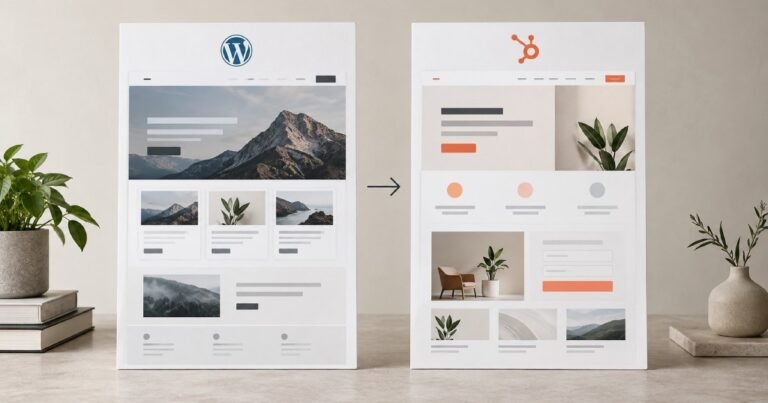
Popular CMS platforms include WordPress, HubSpot CMS, Shopify, and Webflow. Each platform is designed for different business needs, but they all simplify content management and reduce the need for technical knowledge.
CMS websites are ideal for businesses that regularly publish content or want the flexibility to make updates without relying on a developer for every change.
Custom Website Development
Custom website development involves building a website specifically for your business rather than adapting an existing template. Every feature, layout, and functionality is designed around your goals, branding, and customer experience.
This approach offers greater flexibility and is well suited to businesses that require unique functionality, advanced integrations, or long-term scalability. Although it generally requires a larger initial investment, it provides greater control over performance, security, and future growth.
For businesses planning to expand their online presence over time, custom development often delivers better long-term value than trying to work around the limitations of pre-built solutions.
Common Types of Business Websites
Different businesses require different types of websites. Some focus on generating enquiries, while others sell products, manage bookings, or provide customer support.
Some of the most common website types include:
- Business Websites – Promote services, build credibility, and generate enquiries.
- eCommerce Websites – Sell products online with secure payment and inventory management.
- Portfolio Websites – Showcase creative work, case studies, or professional experience.
- Corporate Websites – Present company information, investor details, careers, and news.
- Landing Pages – Designed for specific marketing campaigns with a single conversion goal.
- Membership or Portal Websites – Provide secure access to exclusive content, courses, or customer resources.
Choosing the right type of website is the first step in building a solution that aligns with your business objectives. A professional development team will recommend the structure and features that best support your goals rather than offering a one-size-fits-all solution.
How the Website Development Process Works
Every successful website begins with a clear plan. While each project is unique, professional website development generally follows a structured process that helps ensure the final product is user-friendly, technically sound, and aligned with business goals.
Understanding this process also helps business owners know what to expect when working with a website development company.
1. Discovery and Planning
Before a single design is created or line of code is written, it’s important to understand the business behind the website.
During the discovery phase, developers and stakeholders discuss the project’s objectives, target audience, competitors, required features, and long-term goals. This stage lays the foundation for the entire project and helps avoid costly changes later in the development process.
Typical questions answered during this phase include:
- What is the purpose of the website?
- Who is the target audience?
- What actions should visitors take?
- Which pages and features are required?
- Will the website need integrations with third-party tools?
A clear strategy ensures every decision made during development supports the overall business objectives.
2. Website Structure and User Experience
Once the project goals are defined, the next step is planning the website’s structure.
Developers and designers organise pages into a logical hierarchy so visitors can quickly find the information they need. Navigation menus, page layouts, and user journeys are carefully planned to create a smooth browsing experience.
Good user experience isn’t just about aesthetics—it reduces confusion, keeps visitors engaged, and encourages them to complete important actions such as requesting a quote, booking a consultation, or making a purchase.
3. Design and Visual Identity
With the website structure in place, designers create the visual appearance of the site.
This includes choosing colours, typography, imagery, spacing, icons, and page layouts that reflect the business’s brand identity. Every design element should support readability, accessibility, and usability while creating a professional first impression.
A well-designed website builds trust from the moment a visitor arrives and helps differentiate your business from competitors.
4. Website Development
After the design is approved, developers begin building the website.
During this stage, the approved designs are transformed into fully functional web pages. Navigation menus, contact forms, interactive elements, content management systems, and third-party integrations are all implemented.
Developers also ensure the website is responsive, meaning it adapts seamlessly to desktops, laptops, tablets, and smartphones. Since mobile traffic continues to grow each year, responsive development is no longer optional—it’s an essential part of every modern website.
5. Testing and Quality Assurance
Before launch, every page and feature should be thoroughly tested.
Professional testing includes checking:
- Page loading speed
- Mobile responsiveness
- Browser compatibility
- Form submissions
- Internal links
- Images and media
- Security
- SEO fundamentals
Testing helps identify issues before visitors encounter them, ensuring the website delivers a consistent and reliable experience from day one.
6. Launch and Ongoing Maintenance
Launching a website isn’t the end of the development process—it’s the beginning of its lifecycle.
After launch, websites require ongoing updates, security patches, performance monitoring, backups, and content improvements. Search engines also favour websites that remain active and well-maintained over time.
Regular maintenance helps keep your website secure, compatible with modern browsers, and capable of supporting future business growth.
Key Technologies Used in Website Development
Modern websites are built using a combination of technologies, platforms, and tools. The exact technology stack depends on the project’s complexity, functionality, and business requirements.
Some of the most commonly used technologies include:
- HTML – Defines the structure and content of web pages.
- CSS – Controls the visual design, layout, and responsiveness.
- JavaScript – Adds interactivity, animations, and dynamic functionality.
- Content Management Systems (CMS) – Platforms such as WordPress, HubSpot CMS, Shopify, and Webflow allow businesses to manage website content without extensive coding knowledge.
- Databases – Store and organise website data such as customer information, blog posts, and product catalogues.
- APIs and Integrations – Connect websites with external services like payment gateways, CRMs, email marketing platforms, analytics tools, and booking systems.
Most business owners don’t need to understand every technology in detail. What matters is choosing a development approach and technology stack that aligns with your business goals, budget, and future growth plans.
A good development partner will recommend the right solution based on your requirements rather than forcing every project into the same platform or framework.
Benefits of Professional Website Development
A professionally developed website does far more than establish an online presence. It becomes a valuable business asset that supports your marketing, sales, and customer service efforts. Whether you’re a local business or a growing company, investing in quality website development can deliver measurable benefits for years to come.
Creates a Strong First Impression
Your website is often the first interaction a potential customer has with your business. Within seconds, visitors form an opinion based on its design, speed, navigation, and overall professionalism.
A well-developed website instantly builds confidence. Clean layouts, intuitive navigation, and a polished user experience show that your business is credible and trustworthy. On the other hand, an outdated or poorly functioning website can cause visitors to leave before they’ve even explored your products or services.
Improves Search Engine Visibility
Search engine optimisation begins with a solid technical foundation. Even the best content will struggle to rank if the website is slow, difficult to crawl, or poorly structured.
Professional website development focuses on creating websites that search engines can understand. Clean code, fast loading times, mobile responsiveness, proper heading structures, optimised URLs, and secure connections all contribute to stronger SEO performance.
While SEO also requires ongoing content creation and optimisation, having a technically sound website gives your business a much better chance of appearing in search results.
Delivers a Better User Experience
Visitors expect websites to be fast, easy to navigate, and accessible on any device. If they can’t quickly find the information they’re looking for, they’ll likely move on to a competitor.
Professional development ensures that every aspect of the user experience has been considered. Navigation is clear, pages load quickly, forms work correctly, and the website adapts seamlessly to different screen sizes.
A positive user experience encourages visitors to stay longer, explore more pages, and take meaningful actions, whether that’s requesting a quote, making a purchase, or contacting your team.
Supports Business Growth
As your business grows, your website should grow with it.
You may want to add new services, expand into new markets, launch marketing campaigns, integrate additional software, or introduce new functionality. A professionally developed website provides the flexibility to make these changes without needing to rebuild everything from scratch.
Planning for growth from the beginning saves time, reduces future development costs, and ensures your website continues to support your business objectives.
Strengthens Security
Cybersecurity is no longer a concern only for large organisations. Businesses of every size face risks such as malware, spam, data breaches, and unauthorised access.
Professional website development includes security best practices such as secure hosting, SSL certificates, software updates, strong authentication, and regular backups. These measures help protect both your business and your customers while reducing the risk of downtime or data loss.
How to Choose the Right Website Development Company
Choosing a website development company is an important business decision. The right partner won’t just build your website—they’ll help you create a platform that supports your long-term goals.
Before making a decision, consider these factors:
Experience and Portfolio
Review previous projects to understand the company’s capabilities and design quality. A diverse portfolio demonstrates experience across different industries and business requirements.
Rather than focusing solely on visual appearance, pay attention to usability, responsiveness, and the overall quality of the websites they’ve delivered.
Technical Expertise
Different businesses require different technologies. Some projects are best suited to WordPress, while others may benefit from Shopify, HubSpot CMS, or a fully custom solution.
An experienced development company should recommend the platform that best fits your needs rather than pushing a single technology for every project.
Communication and Process
Successful projects depend on clear communication. A structured development process, regular updates, realistic timelines, and transparent expectations help ensure the project stays on track from planning through launch.
Ongoing Support
Launching your website is only the beginning. Ask whether the company offers maintenance, security updates, performance monitoring, bug fixes, and future enhancements. Having access to reliable support can save significant time and effort as your business grows.
Focus on Business Results
The best development companies look beyond aesthetics. They take the time to understand your business, target audience, and objectives before recommending solutions.
A great website should not only look professional—it should help generate leads, improve customer engagement, and contribute to measurable business growth.
Final Thoughts
Website development is much more than building web pages. It’s the process of creating a secure, high-performing, and user-friendly digital platform that represents your business and helps achieve your goals online.
Whether you’re launching your first website or upgrading an existing one, understanding how website development works allows you to make better decisions and choose the right solution for your needs.
A successful website combines thoughtful planning, modern design, reliable development, excellent performance, and ongoing maintenance. When these elements come together, your website becomes more than just an online presence—it becomes a valuable asset that supports marketing, builds trust, attracts customers, and drives long-term business growth.
Website development is the process of planning, designing, building, testing, launching, and maintaining a website. It includes both the visual interface users see and the functionality that powers the website behind the scenes.
Website design focuses on the appearance and user experience of a website, while website development involves coding, functionality, integrations, and technical implementation that make the website work.
The timeline depends on the size and complexity of the project. A simple business website may take a few weeks, while larger custom websites or eCommerce projects can take several months.
Responsive development ensures your website adapts to desktops, tablets, and smartphones, providing a consistent user experience across all devices while also supporting better search engine rankings.
For most businesses, yes. A professional website builds credibility, improves online visibility, supports marketing efforts, and helps convert visitors into customers. It’s one of the most important digital assets a business can have.
Need Help With Your Website?
Whether you need HubSpot CMS development, Webflow development, WordPress development, or technical SEO, Zelthra can help you build a website that performs.